
Developer Experience: Where Engineering Excellence Becomes Business Value
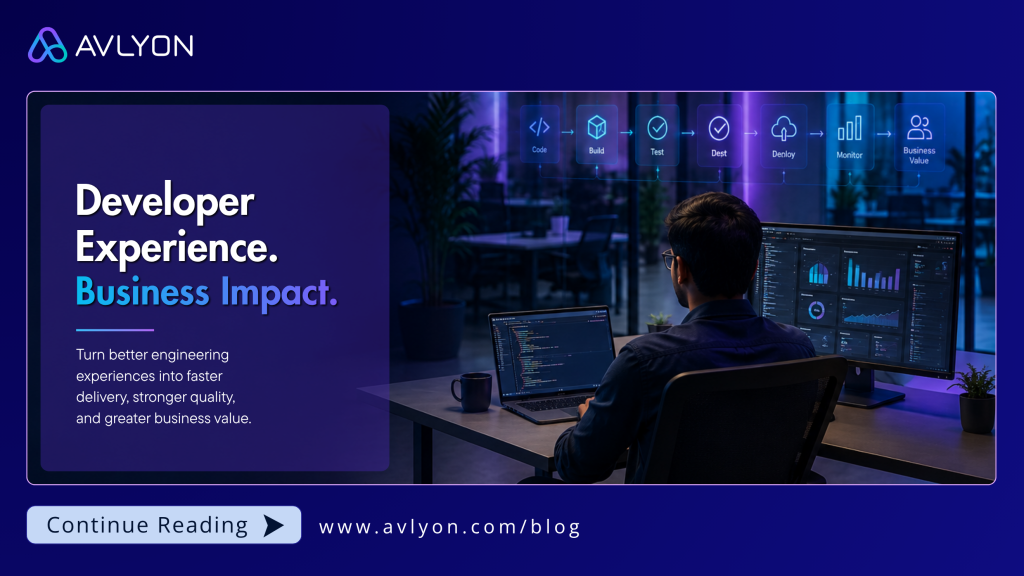
Developer Experience | Engineering Leadership Every company wants velocity. Few invest in the engine. Developer Experience, or DevX, is routinely treated as an internal engineering concern. Organizations talk about faster builds, better development environments, clearer documentation and automated pipelines as though they are simply conveniences for software engineers. The conversation often starts with a simple premise: engineers are more effective when their tools and processes get out of the way. That is true, but it misses the bigger picture. The real question is not simply whether developers experience less frustration. It is whether the way an organization builds software strengthens its ability to compete, execute and deliver value to customers. When viewed through this lens, DevX stops being a developer productivity initiative and becomes a business capability. A mature organization should not think about engineering in isolation. Investments in technology, engineering practices, platforms, AI capabilities and ways of working may begin inside the engineering organization, but their value should not stop there. They should improve delivery, strengthen business outcomes and ultimately create better experiences for clients, customers and end users. Developer Experience is a powerful example of this connection. Where most companies get stuck DevX has a persistent positioning problem. Leadership may hear the term and picture better code editors, expensive platform tooling or engineers optimizing pipelines for marginal efficiency gains. But organizations that deliver products quickly and adapt effectively to changing market conditions are not necessarily those with the largest teams or the biggest technology budgets. They are often the organizations with the least unnecessary friction between an idea and a reliable outcome. When engineering improvements start and end inside the technology team, they can struggle to secure sustained investment. However, when improvements to engineering systems contribute to faster time to market, better quality, more predictable delivery and stronger project economics, the conversation changes. DevX stops looking like an internal cost and becomes an investment in the organization’s ability to execute. This distinction is important because many organizations do not lack talented engineers or modern technologies. What they often lack is a deliberate approach to improving the system around those engineers. As teams and systems grow, small inefficiencies begin to compound, reducing the organization’s ability to turn engineering effort into delivered value. What scaling without DevX looks like The failure to address engineering friction rarely causes a sudden collapse. Instead, it creates a gradual and costly degradation of delivery capacity. A business identifies an urgent client or customer need. Product teams define the requirement, and engineers build the solution. Before that change reaches the customer, however, it may enter a maze of manual steps, fragile environments, slow test pipelines and fragmented documentation. Engineers spend time troubleshooting failed pipelines, requesting access, configuring environments and rediscovering knowledge that exists only in someone else’s head. Two organizations can employ equally talented engineers and adopt similar technologies. One may provide reproducible environments, reliable automated testing, accessible knowledge and clear system ownership, while the other depends heavily on manual handoffs, slow feedback and individual heroics. The headcount may be identical, but the effective engineering capacity is not. The difference lies in the engineering system around the people doing the work. Over time, this friction compounds. Release cycles become longer, small changes feel increasingly risky, and engineers spend more time navigating the delivery system than solving meaningful problems. By the time delayed roadmaps and missed opportunities become visible to leadership, the problem is often much larger than a missing tool. The delivery system itself has become increasingly difficult to change. The true economics of delivery friction Software creates value because it can change. Market priorities shift, security vulnerabilities emerge, regulations evolve, clients refine requirements and customers provide feedback. The ability to modify software safely and predictably is therefore one of the most important capabilities of a modern technology organization. Yet the true cost of a software change is rarely determined by the amount of code alone. It is influenced by the engineering effort required, the complexity of the system and the friction surrounding delivery. A useful way to think about it is: Cost of Change = Engineering Effort + System Complexity + Delivery Friction Some complexity is unavoidable, particularly in enterprise technology environments. However, a significant amount of delivery friction is created by the way organizations design their engineering systems, processes and ways of working. When unnecessary friction is reduced, the benefits can be seen across different delivery models. Protecting fixed-cost delivery economics In fixed-cost engagements, the commercial value of the project is agreed upfront. Every hour spent dealing with avoidable environment problems, manual processes or inefficient delivery workflows consumes engineering capacity. That capacity could otherwise be focused on solving client problems, improving quality or responding to changing needs. DevX helps protect delivery economics by reducing unnecessary internal friction and allowing more of the available engineering capacity to be directed towards meaningful outcomes. The benefit is not simply lower effort. It is a greater ability to convert engineering effort into client value. Compounding long-term product value For long-lived products, delivery friction compounds over time. When deployments are painful, teams tend to release less frequently. Larger and less frequent releases can introduce greater risk. When changes become difficult, improvements are postponed, and when feedback is slow, problems are discovered later. Over time, friction contributes to technical debt, and technical debt creates even more friction. A strong DevX foundation can help reverse this cycle. When changes are easier and safer to make, teams can improve systems continuously rather than waiting for large transformation programmes. The benefit compounds. An improvement to the engineering system today can make every future change easier. Transforming speed into quality Speed and quality are often presented as trade-offs. In a weak engineering system, they can be. Under delivery pressure, teams may reduce testing, postpone automation or take shortcuts that create problems later. That may appear faster in the short term, but the cost has simply moved elsewhere. A defect that could have been identified earlier becomes a production issue. A manual process
Why Businesses Lose Customers After Hours and How AI Is Changing That
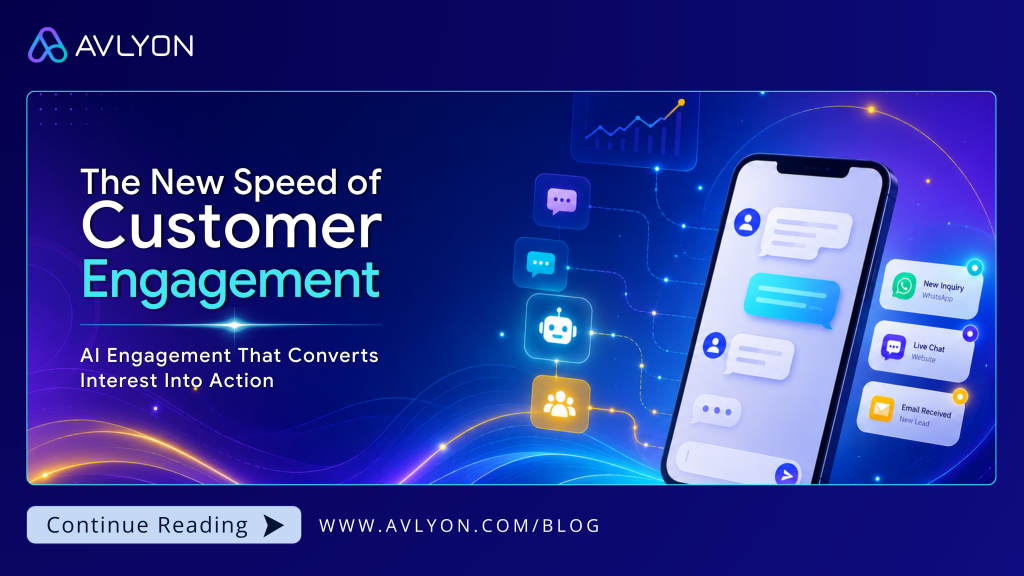
How AI engagement is helping businesses respond faster and convert more customers There is a moment most businesses know too well. A potential customer reaches out late in the evening, interested, ready to ask questions, and possibly ready to buy. No one responds. By the next morning, they have already moved on to a competitor who replied faster. The opportunity disappears quietly. Not because the product was weak or the pricing was wrong, but because the business was unavailable at the moment the customer was ready to engage. For many organizations, this is not a sales problem. It is a responsiveness problem. And in today’s digital environment, responsiveness has become one of the most important competitive advantages a business can have. The Attention Window Is Smaller Than Ever Customer attention moves quickly. Studies consistently show that response time directly affects lead conversion. A delay of even an hour can significantly reduce the likelihood of turning interest into action. Yet many businesses still rely entirely on human availability to manage customer engagement. The result is a gap between when customers reach out and when businesses are able to respond. That gap is becoming increasingly expensive. Today’s customers compare providers, explore alternatives, and make decisions faster than ever before. A customer who does not receive a timely response often does not wait. They simply move on. Businesses that fail to close the availability gap are not just slower. They become invisible at the exact moment customers are ready to engage. What Customers Expect Today Customer expectations have fundamentally changed. People now interact daily with digital experiences that provide instant updates, real-time answers, and personalized recommendations. Whether booking a service, ordering food, tracking deliveries, or exploring financial products, customers expect fast and relevant interactions regardless of the time of day. Those expectations do not disappear after business hours. Someone browsing at 11 PM expects the same level of responsiveness as someone reaching out at 11 AM. For businesses relying solely on human teams, this creates a structural limitation that becomes harder to scale as demand grows. Across industries, organizations gaining momentum are the ones finding ways to stay responsive throughout the customer journey, not only during working hours. How AI Is Reshaping Customer Engagement Artificial intelligence is making it possible for businesses to stay responsive without relying on large teams working around the clock. Modern AI engagement systems can now hold meaningful conversations with customers across platforms like WhatsApp, SMS, websites, and other messaging channels. They can answer questions instantly, qualify leads, guide customer inquiries, and connect high-value prospects to the right teams in real time. What separates today’s AI engagement from the chatbots businesses experimented with years ago is the quality of the interaction. Earlier systems often felt rigid and scripted. Modern AI tools can understand context, recognize customer intent, adapt responses dynamically, and deliver interactions that feel more natural and relevant. The goal is not to replace human relationships. It is to remove the friction that prevents those relationships from starting. Smarter Lead Qualification One of the biggest challenges for sales teams is identifying which inquiries deserve immediate attention. AI engagement systems can analyze conversation patterns, customer behavior, and engagement signals to prioritize leads automatically. Instead of manually filtering inquiries, teams can focus their time on prospects who show genuine buying intent. This reduces wasted effort while improving response speed where it matters most. Personalization at Scale Personalized engagement has always been valuable, but traditionally it has been difficult to scale consistently. AI changes that equation. Businesses can now tailor messaging based on customer preferences, behaviors, interaction history, and timing across thousands of conversations simultaneously. Customers receive interactions that feel relevant and timely without businesses having to expand support teams proportionally. As customer expectations continue to rise, personalization is quickly becoming a baseline expectation rather than a differentiator. Meeting Customers Across Multiple Channels Customers no longer engage through a single platform. Some prefer WhatsApp. Others respond better through SMS, websites, email, or social platforms. Businesses that force customers into one communication channel often create unnecessary friction. AI-powered engagement systems help organizations maintain a consistent presence across multiple channels at the same time, allowing customers to interact through the platforms they already use comfortably. This flexibility is becoming increasingly important as customer behavior continues to fragment across digital ecosystems. Industries Already Seeing the Impact The shift toward AI-powered engagement is already reshaping how businesses operate across multiple industries. Real Estate Property inquiries happen at all hours, often from buyers comparing multiple listings simultaneously. AI engagement allows agencies to respond immediately, answer common questions, qualify buyers, and schedule appointments without delays. Health and Wellness Clinics, gyms, and wellness providers manage large volumes of appointment requests, reminders, and customer follow-ups. Intelligent automation improves responsiveness while reducing administrative pressure on frontline teams. Restaurants and Hospitality Reservation inquiries, menu questions, and promotional campaigns require consistency and speed. AI engagement helps hospitality businesses maintain responsive customer interactions without overextending staff resources. Education Educational institutions often manage high inquiry volumes during enrollment periods. AI systems can guide prospective students, answer frequently asked questions, and identify inquiries requiring personal attention. Banking and Financial Services In industries where trust and responsiveness are critical, AI engagement supports faster communication, smoother onboarding experiences, and more accessible customer support while maintaining consistency and accuracy. What Effective AI Engagement Actually Looks Like Not every AI engagement system creates a better customer experience. Consistency With Brand Voice The best AI interactions feel like a natural extension of the business itself. Businesses should be able to define tone, messaging style, and communication guidelines so automated interactions reinforce brand identity rather than weaken it. Knowing When Human Support Matters AI works best when it recognizes its own limitations. Well-designed systems know when conversations require human judgment and can escalate interactions smoothly without frustrating customers. The transition should feel seamless rather than disruptive. Integration With Existing Workflows AI engagement should not operate in isolation. Systems that integrate with CRM platforms, sales tools, and operational workflows create a
Elevating Digital Success With User Centred UI and UX
Designing Experiences That Empower Users and Drive Business Growth
Designing App Analytics That Drive Informed Feature Decisions
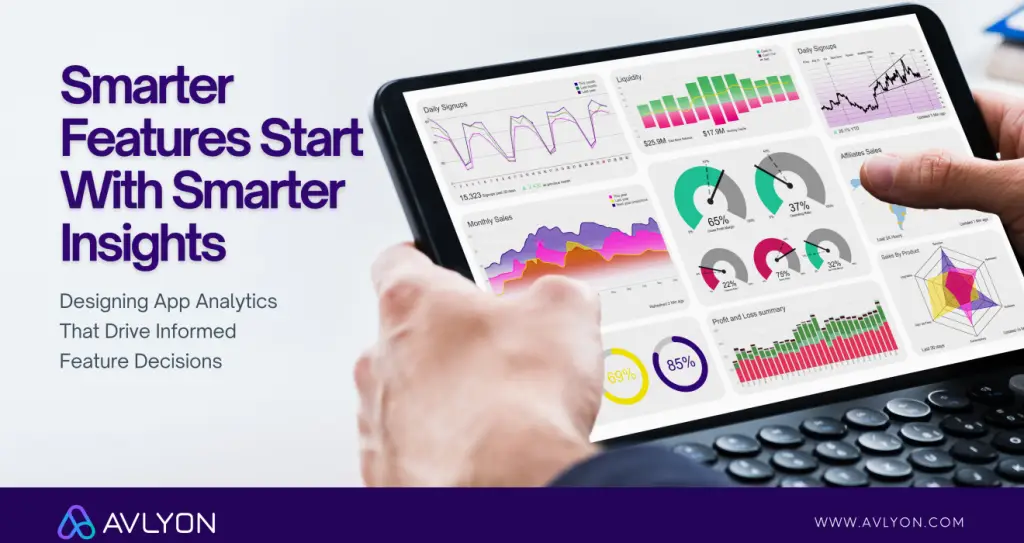
Designing App Analytics That Drive Informed Feature Decisions In today’s data-driven product landscape, designing app analytics is essential. The ability to track user behavior, analyze engagement, and extract actionable insights directly influences how features evolve. For digital products to remain competitive and relevant, teams must embed analytics thoughtfully and ensure that the data collected leads to real product decisions. Whether you’re building a mobile app, web platform, or enterprise tool, analytics needs to be part of your product development strategy from day one. Why App Analytics Matters in Feature Strategy Modern users expect intuitive, personalized, and seamless experiences. To deliver this, product teams must understand: Which features are being used and how frequently Where users drop off or abandon flows What drives conversions, retention, or support queries How engagement varies across devices or user types According to Mixpanel’s Product Benchmarks Report, only 20 percent of new features launched by product teams see meaningful long-term adoption. This highlights a serious issue: building features without data can result in wasted effort and missed opportunities. App analytics helps validate ideas, uncover usability issues, and guide product teams toward building features that truly add value. Start With the Right Metrics At the core of meaningful analytics is event tracking. These events reflect user actions such as logging in, clicking a button, completing a transaction, or watching a video. Best practices for event design: Focus on metrics that connect to business goals. Track actions like “checkout started,” “invite sent,” or “profile completed” Group events based on user intent, such as explore, engage, convert, and retain Use consistent, structured naming conventions to make dashboards readable and scalable At Avlyon, our product engineering teams work with clients to define key events early in the product lifecycle to ensure accurate measurement and smarter decisions. Build Feedback Loops Into the Feature Lifecycle App analytics should support every stage of feature development: planning, testing, launching, and refining. Before launch: Use existing usage data to identify gaps or opportunities Define measurable success metrics such as improving task completion by 15 percent or reducing friction by 20 percent During rollout: Monitor feature usage through A/B testing or feature flags Track how different segments interact with the new feature After launch: Measure adoption trends over time, not just on launch day Assess whether the feature improves retention, satisfaction, or conversion According to Amplitude, high-performing product teams are 3.5 times more likely to use structured experimentation frameworks when launching new features. Tools That Power App Analytics To collect and interpret meaningful data, you need a solid analytics stack. Some commonly used tools include: Event Tracking: Google Analytics, Mixpanel, Amplitude, Firebase User Behavior Visualization: Hotjar, FullStory Data Warehousing: BigQuery, Snowflake Business Intelligence: Metabase, Looker Experimentation and Rollouts: Optimizely, LaunchDarkly Custom Dashboards: Grafana, Superset At Avlyon, we tailor each analytics setup to fit the specific needs of the product and the teams using it, making sure the data is reliable, timely, and actionable. Stay Compliant and Respect Privacy With regulations like GDPR and CCPA, product teams must collect and manage user data responsibly. Collect only what you need for analysis Anonymize sensitive information where possible Allow users to control their data through consent and opt-outs Trust is an important part of user experience. A responsible analytics design protects user data and builds long-term credibility. Real-World Impact of Smart Analytics Here are a few practical examples of how companies used analytics to improve features: A finance app noticed that 70 percent of users dropped off during profile setup. Based on heatmaps and funnel analysis, they simplified the flow and increased completion rates by 42 percent An ecommerce platform observed that users who added items to their wishlist were more likely to return. They enhanced the wishlist experience, leading to a 30 percent boost in repeat purchases A B2B software product found that users who watched an onboarding video were twice as likely to complete their first transaction. They redesigned their onboarding to highlight the video earlier Each improvement was guided by real usage data, not assumptions. Final Thought Informed decisions start with intentional tracking. Designing app analytics with purpose allows teams to build better features, validate their impact, and evolve products based on user behavior. At Avlyon, we partner with companies to design and develop software that is intelligent from the inside out. If you’re looking to turn your product into a data-informed success, we are ready to help.